



Smart Technology in Long Haulage Vehicles in the Australian Lands

Introduction
Long haulage trucking is a vital component of Australia’s economy, facilitating the transportation of goods across vast distances in the continent. However, the industry faces numerous challenges, including driver fatigue, safety concerns, fuel efficiency, and environmental impact. To address these challenges, smart technology is increasingly being integrated into long haulage vehicles, promising to revolutionize the industry. This white paper explores the current landscape of smart technology in long haulage vehicles in Australia and discusses the future implications for truck drivers.
Our Current Landscape
Remote Diagnostics and Maintenance: Smart technology enables remote diagnostics and predictive maintenance of long haulage vehicles. By monitoring the health of critical components in real-time, fleet managers can identify potential issues before they escalate into costly breakdowns, thus minimizing downtime and improving vehicle reliability.
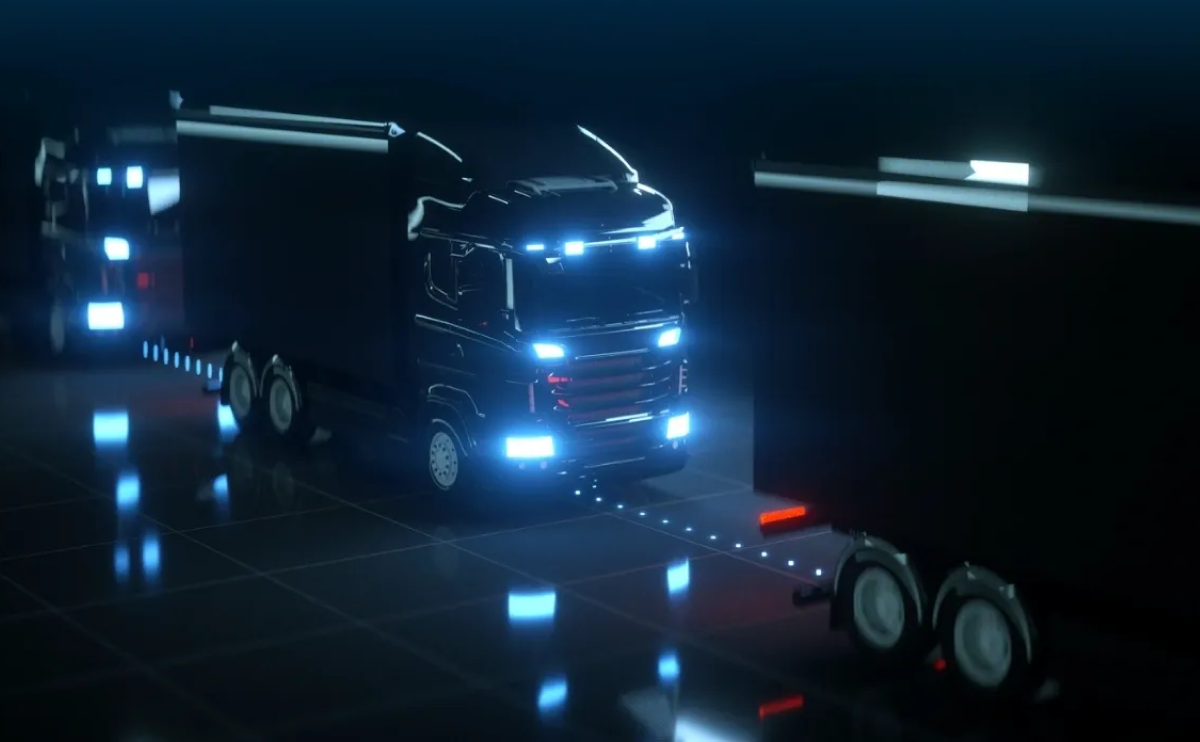
Automation and Autonomous Vehicles: While fully autonomous long haulage vehicles are not yet widespread in Australia, ongoing research and development in this field holds promise for the future. Automation technologies, such as platooning, where vehicles travel closely together to reduce air resistance, are being explored as potential solutions to improve fuel efficiency and driver productivity.
Driver Monitoring Systems: With an emphasis on safety and compliance, many long haulage vehicles are equipped with driver monitoring systems. These systems use sensors and cameras to monitor driver behavior, detecting signs of fatigue or distraction and providing alerts to ensure drivers remain focused and alert while on the road.
Future Implications for Truck Drivers
Increased Safety: Smart technology holds the potential to significantly improve safety for long haulage truck drivers. Advanced driver assistance systems and driver monitoring technologies can help prevent accidents by alerting drivers to potential hazards and intervening in critical situations. As a result, the risk of injury or fatality on the road may decrease, enhancing overall road safety.
Enhanced Efficiency: By leveraging smart technology, long haulage operators can optimize fleet operations, reduce fuel consumption, and minimize downtime. Real-time monitoring and data analytics enable better route planning, vehicle maintenance scheduling, and resource allocation, leading to improved operational efficiency and cost savings.
mproved Work-Life Balance: The integration of automation technologies in long haulage vehicles has the potential to transform the nature of truck driving jobs. While full autonomy may still be a distant reality, partial automation can alleviate some of the repetitive tasks and long hours associated with long haulage driving. This could result in improved work-life balance for truck drivers, reducing fatigue and enhancing job satisfaction.
Upskilling Opportunities: As smart technology becomes increasingly prevalent in the long haulage industry, truck drivers may need to acquire new skills to adapt to the changing landscape. Training programs and initiatives aimed at educating drivers on the use of advanced technology can help ensure a smooth transition and empower drivers to leverage these tools effectively.
Industry Transformation: The widespread adoption of smart technology in long haulage vehicles is poised to transform the industry as a whole. From logistics and supply chain management to regulatory frameworks and infrastructure development, the ripple effects of technological innovation will be felt across various sectors. Adaptation to these changes will be essential for long-term sustainability and competitiveness in the market.
Conclusion
Smart technology is revolutionizing the long haulage industry in Australia, offering unprecedented opportunities for improving safety, efficiency, and driver experience. While the full implications of these technological advancements are yet to be realised, it is clear that the future of truck driving will be shaped by innovation and automation. By embracing these changes and proactively addressing the challenges they present, stakeholders can position themselves for success in the evolving landscape of long haulage transportation.
White Paper written by; Christopher Coppin – Brisk Air Technologies
Date: 21 May 2024