



7 Reasons for a Satellite LTE Transit Solution

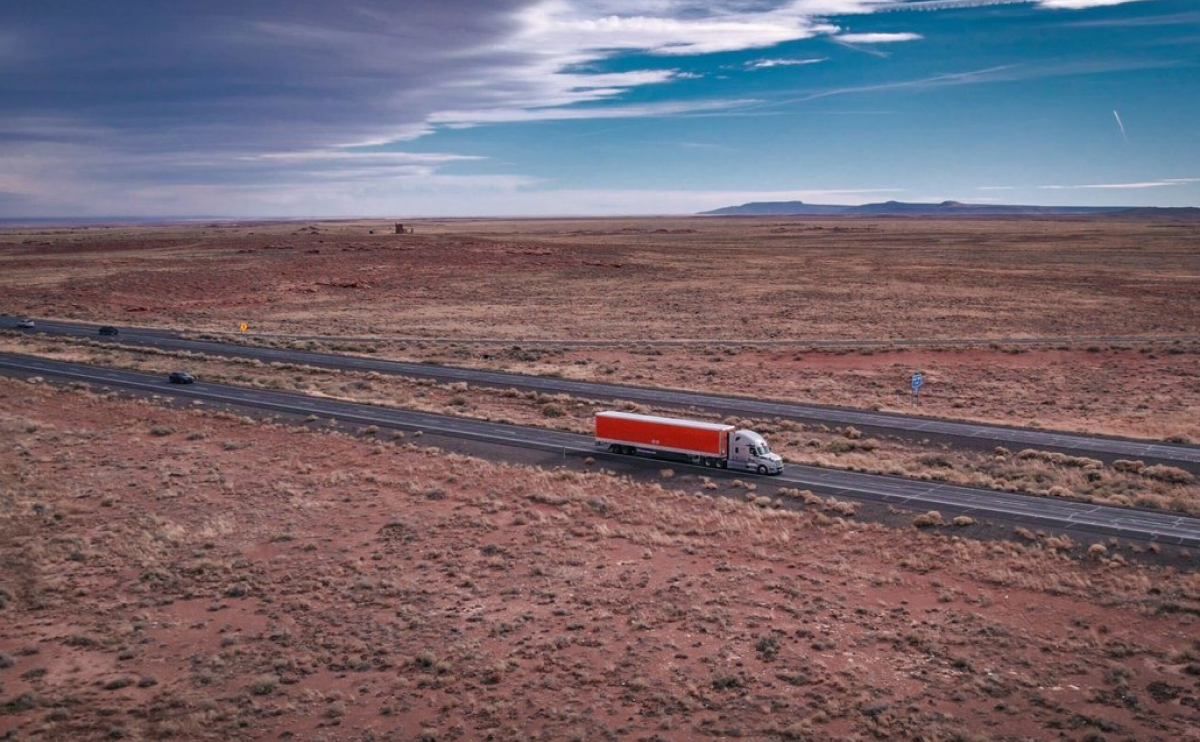
Implementing a Satellite LTE communications system for cellular data in long-haulage trucks in Australia offers numerous advantages tailored to the specific needs of the industry and are:
1.Nationwide Coverage: Australia’s vast and diverse landscape poses significant challenges for maintaining consistent cellular coverage, especially in remote areas. Our Satellite LTE systems provide expansive coverage across the country, ensuring uninterrupted connectivity even in the most remote regions. Long-haul transport operations can stay connected throughout their journeys, regardless of their location, enhancing communication and operational efficiency.
2.Reliability: Traditional cellular networks may experience disruptions in remote or rural areas, leading to communication blackouts and operational delays. Satellite LTE communications systems offer unparalleled reliability, with robust connectivity unaffected by geographical barriers or adverse weather conditions. This reliability minimises downtime, ensuring continuous communication and enabling timely response to critical situations.
3.High-Speed Data Transfer: timely access to data is essential for effective fleet management, route optimisation, and real-time communication. Our Satellite LTE systems provide high-speed data transfer capabilities, enabling seamless transmission of large volumes of data, such as GPS coordinates, telemetry data, and driver logs. This facilitates efficient fleet tracking, enhances navigation accuracy, and supports various onboard applications essential for long-haul operations.
4.Enhanced Safety: Drivers often face long hours on the road and encounter various risks. Satellite LTE communications systems contribute to enhanced safety by enabling continuous communication between drivers, dispatchers, and fleet managers. In the event of emergencies or unforeseen incidents, drivers can quickly communicate distress signals and receive immediate assistance, reducing the likelihood of accidents and improving overall safety outcomes.
5.Fleet Management Efficiency: Effective fleet management is critical for optimising operational efficiency, minimising costs, and maximising resource utilisation in long-haul trucking. Satellite LTE systems offer comprehensive fleet management capabilities, including real-time vehicle tracking, remote diagnostics, and performance monitoring. Fleet managers can access valuable insights into vehicle status, fuel consumption, and driver behaviour, allowing them to make informed decisions, identify areas for improvement, and implement proactive maintenance strategies.
6.Scalability and Adaptability: Long-haul trucking operations vary in size, scope, and complexity, requiring flexible and scalable communication solutions. Satellite LTE systems offer scalability and adaptability to accommodate the evolving needs of trucking companies. Whether managing a small fleet or a large enterprise operation, businesses can scale their communication infrastructure seamlessly to support growing demands and changing operational requirements.
7.Integration with Existing Systems: Integrating new communication systems with existing onboard technologies and software is essential for seamless operation and data management. Satellite LTE systems can be easily integrated with existing onboard systems, telematics platforms, and enterprise software solutions commonly used in the trucking industry. This integration streamlines workflow processes, enhances data visibility, and facilitates centralised management of critical operational data.
In conclusion, leveraging a Satellite LTE communications system via Peplink for cellular data in long-haulage trucks in Australia offers a multitude of advantages, including nationwide coverage, reliability, high-speed data transfer, enhanced safety, fleet management efficiency, scalability, adaptability, and seamless integration. By harnessing the power of satellite technology, trucking companies can optimize their operations, improve productivity, and ensure the safety and well-being of their drivers.
Author: Christopher B Coppin 28 July 2024